



Boxing has a special talent for finding drama in places where nobody asked for it.
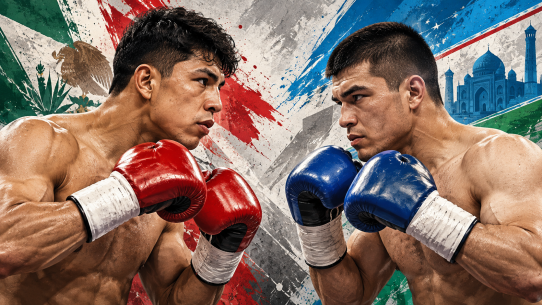
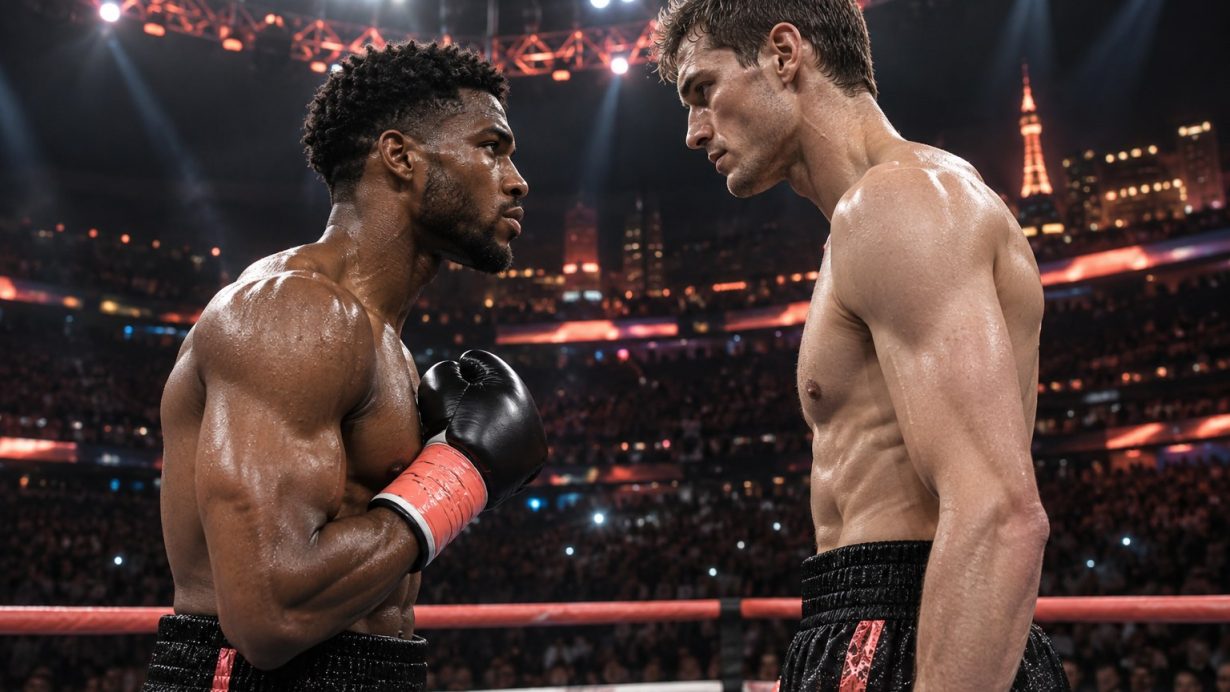
With Jai Opetaia and Noel Mikaelian supposed to meet this Saturday in Las Vegas, the conversation should be about one of the strongest cruiserweight matchups available: the division’s lineal force against the WBC champion, on a major Ryan Garcia-Conor Benn card.
Instead, fight week has been hijacked by a promoter, a contract and a cease-and-desist letter.
Don King has challenged Mikaelian’s participation in the bout, arguing that the WBC champion remains bound by an exclusive promotional agreement with Don King Productions. According to reports published Tuesday, King’s attorney sent a letter to Zuffa Boxing and TKO Group Holdings demanding that they stop dealing with Mikaelian without King’s consent.
That leaves the co-main event in a genuinely awkward position only days before the fighters are supposed to walk to the ring.
A Great Cruiserweight Fight Caught in a Contract Fight
The sporting case for Opetaia-Mikaelian is straightforward. Opetaia has spent the last few years establishing himself as the man most fans regard as the standard at cruiserweight. He is fast, technically sharp, aggressive without being reckless and unusually comfortable fighting at a high tempo for a 200-pounder.
Mikaelian brings something different. The Armenian-German champion is tall, experienced and awkward, and he reclaimed the WBC title by beating Badou Jack in their December rematch. He is not the sort of opponent who exists merely to decorate Opetaia’s record.
That is precisely why Saturday’s fight mattered.
Boxing has too many champions operating on parallel tracks. Opetaia against Mikaelian offered a chance to reduce some of that confusion and move the cruiserweight division closer to a clear hierarchy.
Now the biggest question is whether the fight happens at all.
What Don King Is Claiming
The dispute revolves around Mikaelian’s promotional status. King maintains that his company has an enforceable exclusive agreement with the fighter and that neither Zuffa Boxing nor TKO had authorization to make the Opetaia bout.
The cease-and-desist reportedly accuses the parties of interfering with that agreement and demands that further dealings with Mikaelian stop unless King gives written approval.
Mikaelian’s side appears to see the situation differently. The champion has suggested that his contract gives him room to consider outside opportunities, although King’s position is that any such process still requires involvement from his promotional company.
Those competing interpretations are now colliding at the worst possible time.
Contract disputes in boxing are hardly unusual. What makes this one remarkable is the timing. Camps have been completed. Travel arrangements have been made. The event is being promoted. Fans have bought tickets. The fighters are in fight-week mode.
A legal argument that might normally unfold over months is suddenly operating on a clock measured in days.
Opetaia Has the Most to Lose Without Doing Anything Wrong
For Opetaia, the situation is particularly frustrating because none of it appears to concern him.
He agreed to fight the WBC champion. He prepared for that opponent. He arrived expecting to compete.
If Mikaelian is removed, Opetaia could be left with a late replacement, no fight at all, or an entirely different championship situation.
Elite fighters structure training camps around specific opponents. Mikaelian’s height, rhythm and tendencies are not interchangeable with whoever might be available on a few days’ notice.
Even if a substitute can be found, the sporting value changes immediately.
Opetaia has been trying to build toward the kind of fights that establish undisputed dominance. Beating Mikaelian would mean something. Beating an emergency opponent drafted into Las Vegas during fight week simply would not carry the same weight.
The WBC Belt Adds Another Layer
The championship itself makes the dispute even more complicated.
Mikaelian is the WBC cruiserweight champion after regaining the belt from Jack. His title status gives Saturday’s matchup much of its significance.
If contractual issues prevent him from fighting, the WBC may eventually have decisions to make about its championship and mandatory obligations. Reports have already raised the possibility of Mikaelian’s title status becoming part of the fallout.
That would be an unfortunate way to reshape a division.
Belts should ideally move because fighters win and lose inside a ring. Administrative vacancies, stripped titles and courtroom disputes are sometimes unavoidable, but they rarely leave fans feeling that anything has actually been settled.
The clean solution remains obvious: resolve the contractual problem and let the two cruiserweights fight.
Zuffa Boxing Gets an Early Lesson in Boxing Politics
There is also a broader industry angle here.
Zuffa Boxing entered the sport promising a more streamlined product. The appeal of that pitch is obvious to anyone who has followed boxing for more than five minutes. Too many promoters, networks, sanctioning bodies and contractual relationships routinely make simple fights unnecessarily difficult.
But boxing’s fragmented structure does not disappear because a new company arrives with significant money and influence.
This dispute is a perfect example.
A fighter can have a relationship with a promoter, a championship with a sanctioning body, a manager, broadcast obligations and a separate event opportunity. Every one of those relationships can affect whether two people are actually allowed to punch each other on Saturday night.
Zuffa may want to change boxing. First it has to operate inside boxing as it currently exists.
Why the Fight Is Worth Saving
The frustrating thing is that Opetaia-Mikaelian is exactly the type of matchup the sport should be making more often.
Opetaia does not need another stay-busy opponent. Mikaelian does not need another obscure defense. Both men are at a point where meaningful fights matter more than protecting positions.
Stylistically, it is intriguing too.
Opetaia wants to establish rhythm, step into range behind fast combinations and make opponents deal with his pace. Mikaelian’s length and experience could force him to solve different problems than he encounters against more conventional cruiserweights.
There are also larger possibilities waiting for the winner. Cruiserweight has enough talent to produce a compelling run toward undisputed status if the leading names actually meet.
Saturday was supposed to be part of that process.
Fight Week Should Be About the Fighters
There is still time for the situation to be resolved. Boxing negotiations have produced stranger last-minute compromises than this one.
But the episode is another reminder of the sport’s most exhausting habit: making fans study contracts when they would rather study fighters.
Opetaia and Mikaelian have done the training. The matchup makes sporting sense. It belongs on a major card.
Now the lawyers, promoters and governing bodies need to figure out whether the fight everyone prepared for can actually take place.
Until then, one of Saturday’s best fights remains surrounded by an asterisk nobody wanted.